
 Image 1 of 1
Title: Wheeling & Dealing
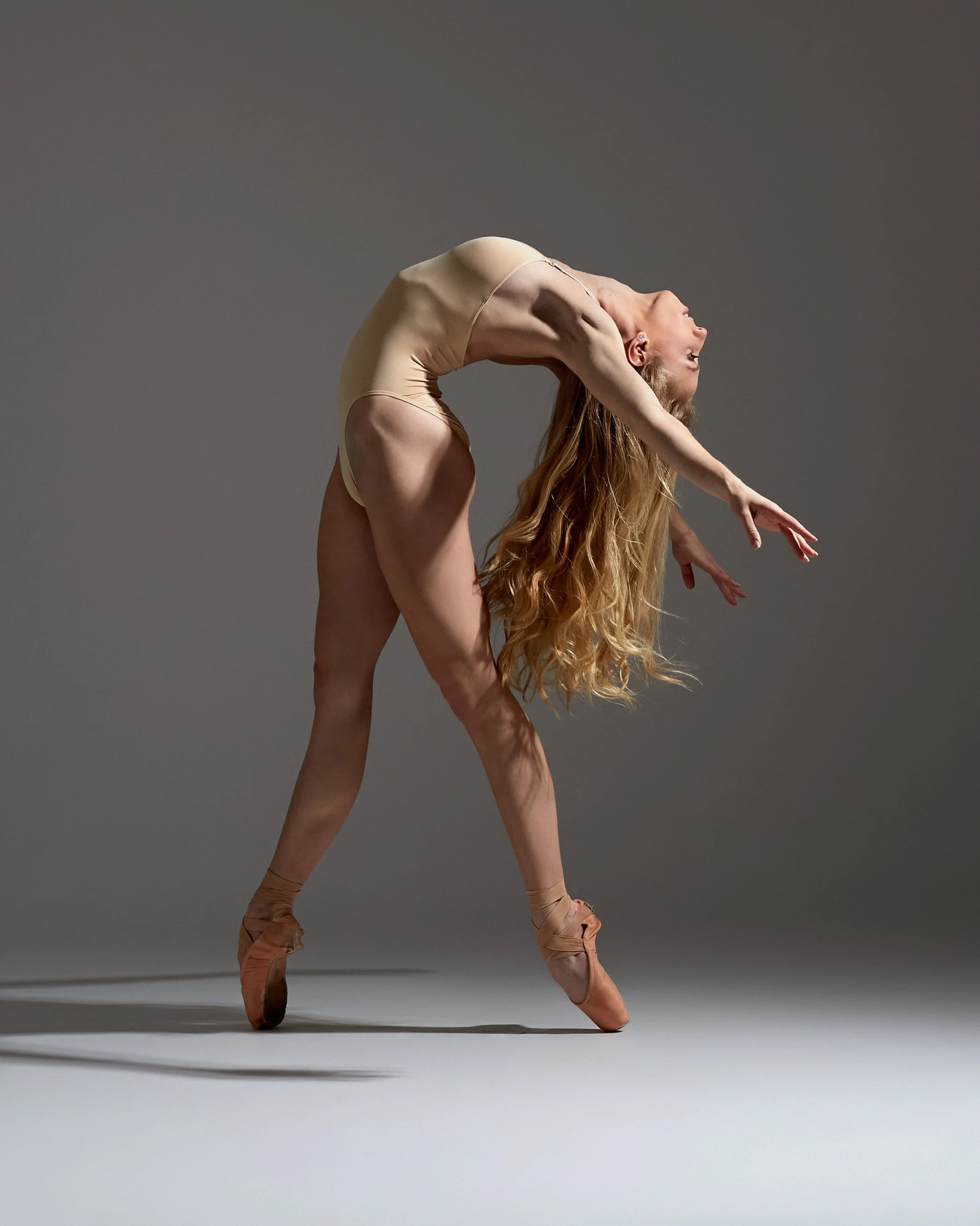
Subtitle: Pelvic–Femoral Coordination in the Dancer
Presented by: Andrea Zujko PT, DPT, OCS, COMT and Lesley Powell
Date: Saturday, December 5, 2026
Format: In-person
Location: Westside Dance Physical Therapy, New York, NY
Time Frame: 10:00 AM–4:00 PM (Eastern Time)
Price: $475.00
Maximum number of participants: 12
Pricing and Discounts
Standard registration price: $475.00
Early bird registration price: $425.00 through November 7, 2026
Student or other professional discounts: TBD
Discount code(s): TBD
Audience
Healthcare practitioners, movement professionals, and dance educators who work with dancers or are interested in dancer health and movement. See Course Information Page for expanded audience language and scope-of-practice statement.
Course Materials / What Is Included
Course handout: Included for all participants
Course Objectives
Upon completion of this course, participants will be able to:
Differentiate femur-on-pelvis and pelvis-on-femur movement strategies during open-chain, closed-chain, and dancer-specific movement tasks.
Analyze pelvic-femoral coordination during common dance movements, including turnout, plié, weight transfer, leg gestures, changes in level, directional changes, and single-leg support.
Identify compensatory movement strategies involving the pelvis, trunk, hip, and supporting limb that may alter movement efficiency or load distribution in the dancer.
Recognize lumbopelvic stabilization strategies that contribute to gripping, bracing, or excessive muscular recruitment during dance movement.
Compare the movement and stabilization demands of the gesture leg and supporting leg during dancer-specific tasks.
Select and progress exercises that improve pelvic-femoral differentiation and coordination, moving from foundational open- and closed-chain exercises to functional and dancer-specific movement.
Apply hands-on facilitation, movement-based strategies, and cueing to improve pelvic-femoral coordination during rehabilitation and return to dance.
Cancellation Policy
Cancellations made:
• After November 20, 2026 at 11:59 PM Eastern Time — no refunds will be offered.
• After November 7, 2026 at 11:59 PM Eastern Time, but before November 20, 2026 at 11:59 PM Eastern Time — 50% of the purchase price will be refunded, excluding processing fees.
• Before November 7, 2026 at 11:59 PM Eastern Time — 100% refund, excluding processing fees.
Please email Andrea Zujko at admin@dancemedei.com with any cancellation requests.
Liability Waiver
All course registrants should complete the current DMEI Liability Waiver form. More Canvas: use the existing DMEI waiver link/registration workflow unless DMEI provides an updated link.
Registration
DEVELOPER NOTES / ITEMS TO CONFIRM BEFORE PUBLISHING
Confirm final subtitle. Current working subtitle: Pelvic–Femoral Coordination in the Dancer.
Confirm exact presenter credentialing/title for Lesley Powell as it should appear publicly.
Confirm venue and full street address.
Confirm course start/end time and time zone.
Standard price confirmed at $475.00; early bird confirmed at $425.00 through November 7, 2026. Confirm whether any student or other professional discounts will be offered.
Maximum enrollment confirmed at 12.
Participant handout confirmed.
Confirm final course objectives.
Cancellation policy updated using the existing DMEI three-tier refund structure with dates adjusted for the December 5, 2026 course.
Confirm registration link/product setup and current DMEI Liability Waiver link.
Confirm whether presenter bios/photos should appear on the Course Information Page.
Illness / Emergency Policy (Live Virtual Courses):
Illness or Personal Emergency (Participant)
If illness or an unexpected personal emergency prevents you from attending a live virtual course, please notify DMEI as soon as possible.
Because the course is delivered live online and your seat is reserved, DMEI may offer one of the following in place of a refund:
a one-time transfer to a future live course, or
a registration credit valid for 12 months (processing fees are nonrefundable)
Recording access: All participants will receive access to the course recording for 2 weeks following the live course. This allows you to review content you miss due to illness or scheduling conflicts.
Instructor / Platform / Force Majeure (DMEI:)
If DMEI must cancel, postpone, or significantly interrupt a live virtual course due to instructor illness, platform outage, or other circumstances outside of our control, participants may choose either:
a registration credit valid for 12 months toward a future course, or
a refund of tuition (excluding processing fees)
Participant Technology / Internet Issues:
Participants are responsible for reliable internet access and an appropriate device for live online attendance. DMEI is not responsible for individual connectivity, technology failures, or related disruptions. Participants will have access to the course recording for 2 weeks following the course.
Substitution:
If you are unable to attend, you may send a substitute attendee in your place with advance notice to DMEI. Substitutions are permitted for all registrations.
All course registrants are required to complete the Liability Waivers form. Please, follow the link below and fill out the form as indicated.
To view the DMEI Liability Waiver, please click here.
Please email Andrea Zujko at admin@dancemedei.com with any cancellation requests.